
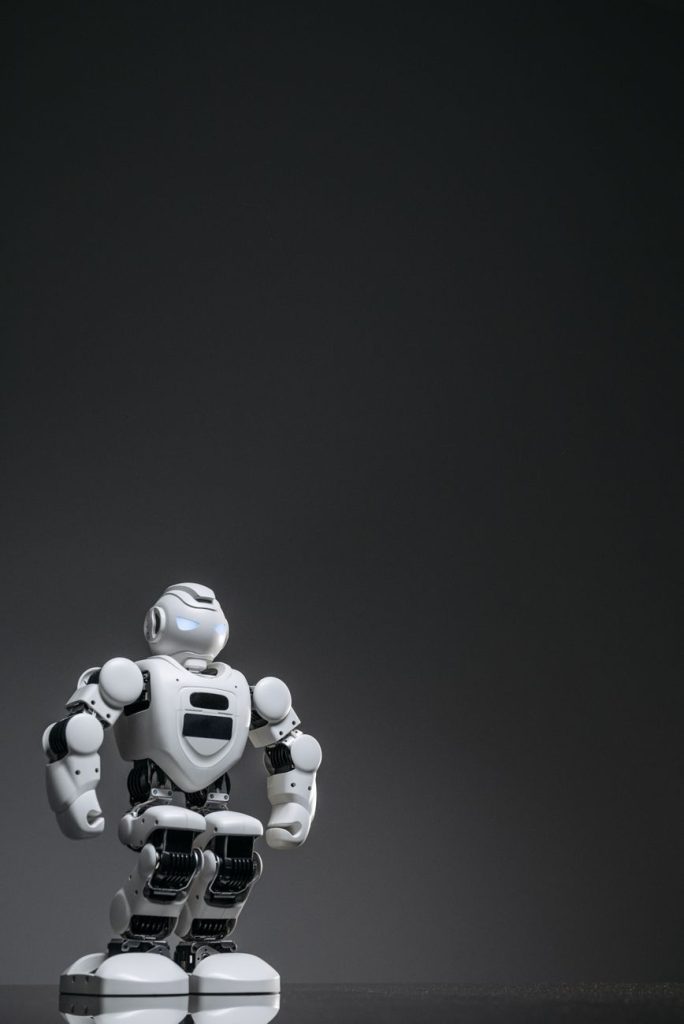
Figure AI has deployed its F03 humanoid robot to BMW Group’s assembly plant in Spartanburg, South Carolina, with the first full shift of commercial operation starting July 17, 2025. The two companies call it the first ongoing, multi-purpose humanoid workforce in U.S. automotive manufacturing, hired to handle repetitive assembly work below a line of workers who can no longer fill open job slots. The move answers a labor shortage now estimated at 40,000 open positions across American automotive factories, according to the Manufacturing Institute.
Context: A century of hard, rigid automation
Industrial robots have worked at mass production for more than 60 years, but they are usually bolted to the floor and capped their tasks — welding a chassis, lifting a crate, painting one panel. Automakers already run full factories with conventional arms, but those machines have never learned to glue to a wire, turn a complex switch, or safely walk around a moving human.
Humanoids promise to break away from that rigidity. After 2023’s breakthrough in vision-language learning, robotics engineers, including Figure AI’s collective, began feeding robots language and video data from actual factories. That shift is what let F03 apply: direct deep-learning decisions all over a shared workspace.
Body: Figure F03 learns from the line
Reaching the plant every morning with a battery bag strapped to its back, F03 has walked through a gated corridor, a BAckerville safety zone, and a network of moving carts. On its first day, it unloaded shipments and assembled the front bumper bracket, an assembly that requires multi-step hand-eye reasoning, and the sheets of PSA cycles. In a BMW video demonstration, the humanoid sees a small engine beam, it picks broken stress: its five-fingered hands grip and rotate tools at speeds that match a trained operator.
Figure AI says the robot is based on a multimodal model trained on tool use: nearly 12 billion simulated and real-world actions run concurrently on the cloud. This makes