
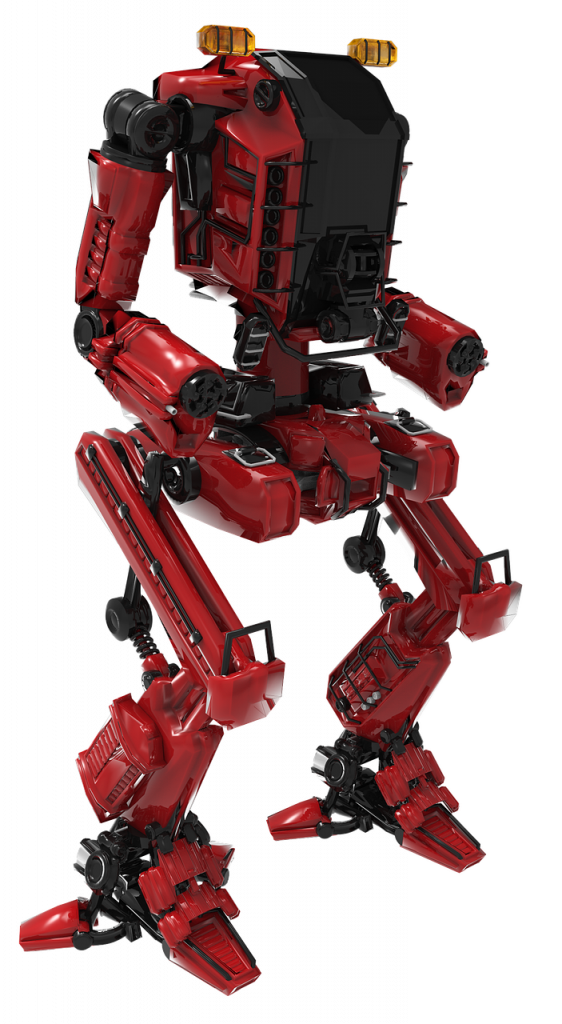
On October 24, 2024, California-based robotics startup Figure, in collaboration with BMW Group, announced the successful integration of its Figure 02 humanoid robot into the production workflow at the Spartanburg, South Carolina manufacturing plant. This deployment marks a major milestone in the commercialization of embodied artificial intelligence, proving that autonomous bipedal machines can perform complex assembly tasks alongside human workers. The pilot program targeted high-precision sheet metal assembly, a task traditionally requiring significant physical strain and repetitive labor.
The Evolution of Embodied AI
For decades, industrial automation relied on stationary robotic arms programmed to perform highly repetitive, single-purpose actions. These traditional systems operated within strict safety cages, unable to adapt to unexpected changes in their environment. The recent convergence of advanced neural networks and generative AI has transformed this paradigm.
Embodied AI refers to artificial intelligence that interacts directly with the physical world through a robotic body. By integrating large language models and multimodal vision-language models, modern robots can now perceive, reason, and act in dynamic spaces. This technological leap allows machines to understand verbal instructions and navigate complex human environments without manual reprogramming.
A New Class of Industrial Workers
The Spartanburg trial demonstrated Figure 02’s ability to place sheet metal parts into specific fixtures, which are then assembled as part of the chassis. The robot utilizes onboard cameras, microphones, and advanced sensors to build a real-time 3D map of its surroundings. Powered by custom machine learning models, the humanoid robot continuously corrects its grip and posture based on visual feedback.
This development comes amid a broader surge in humanoid robotics development globally. Competitors like Tesla are actively testing their Optimus robot in manufacturing facilities, while Agility Robotics has partnered with Amazon to pilot its bipedal robot, Digit, for logistics tasks. Boston Dynamics also recently retired its hydraulic Atlas robot in favor of an all-electric version designed specifically for commercial deployment.
According to a report by Goldman Sachs, the global market for humanoid robots is projected to reach $38 billion by 2035, driven by rapid advancements in AI brainpower and cheaper robotic components. The investment bank estimates that humanoid shipments could exceed 250,000 units annually within the next decade, primarily serving the manufacturing and eldercare sectors.
Addressing the Engineering and Labor Challenges
Industry experts emphasize that the transition from laboratory prototypes to factory floors requires overcoming immense engineering hurdles. Technical specialists note that while digital AI models can hallucinate without physical consequences, a physical robot making an error can cause expensive damage or injury.
To mitigate these risks, developers are focusing heavily on dexterity and safety. Figure 02 features fourth-generation human-like hands with 16 degrees of freedom, allowing it to handle delicate components with human-level precision. The robot’s AI system runs local inference, ensuring it can make split-second safety decisions even if it loses connection to the cloud.
While labor unions express concern over potential job displacement, manufacturers argue that humanoid robots will address critical labor shortages. The National Association of Manufacturers reports that the United States could face 2.1 million unfulfilled manufacturing jobs by 2030 due to an aging workforce and declining interest in manual labor.
What to Watch Next
The successful pilot at BMW signals a shift from experimental testing to commercial scaling. As manufacturing giants seek to optimize their supply chains, the demand for adaptable, multi-purpose robots will likely accelerate. Industry analysts expect the next phase of deployment to focus on fleet management systems, where centralized AI coordinators manage dozens of humanoid robots simultaneously.
In the coming months, observers should watch for regulatory developments regarding robot-human collaboration standards. Organizations like the International Organization for Standardization are already drafting new guidelines to govern autonomous bipedal machinery in shared workspaces. The speed at which these safety frameworks are established will dictate how quickly humanoid robots become a standard fixture in global factories.